FOMO Isn't Just a Feeling, It's a Financial Trigger
FOMO Isn't Just a Feeling, It's a Financial Trigger
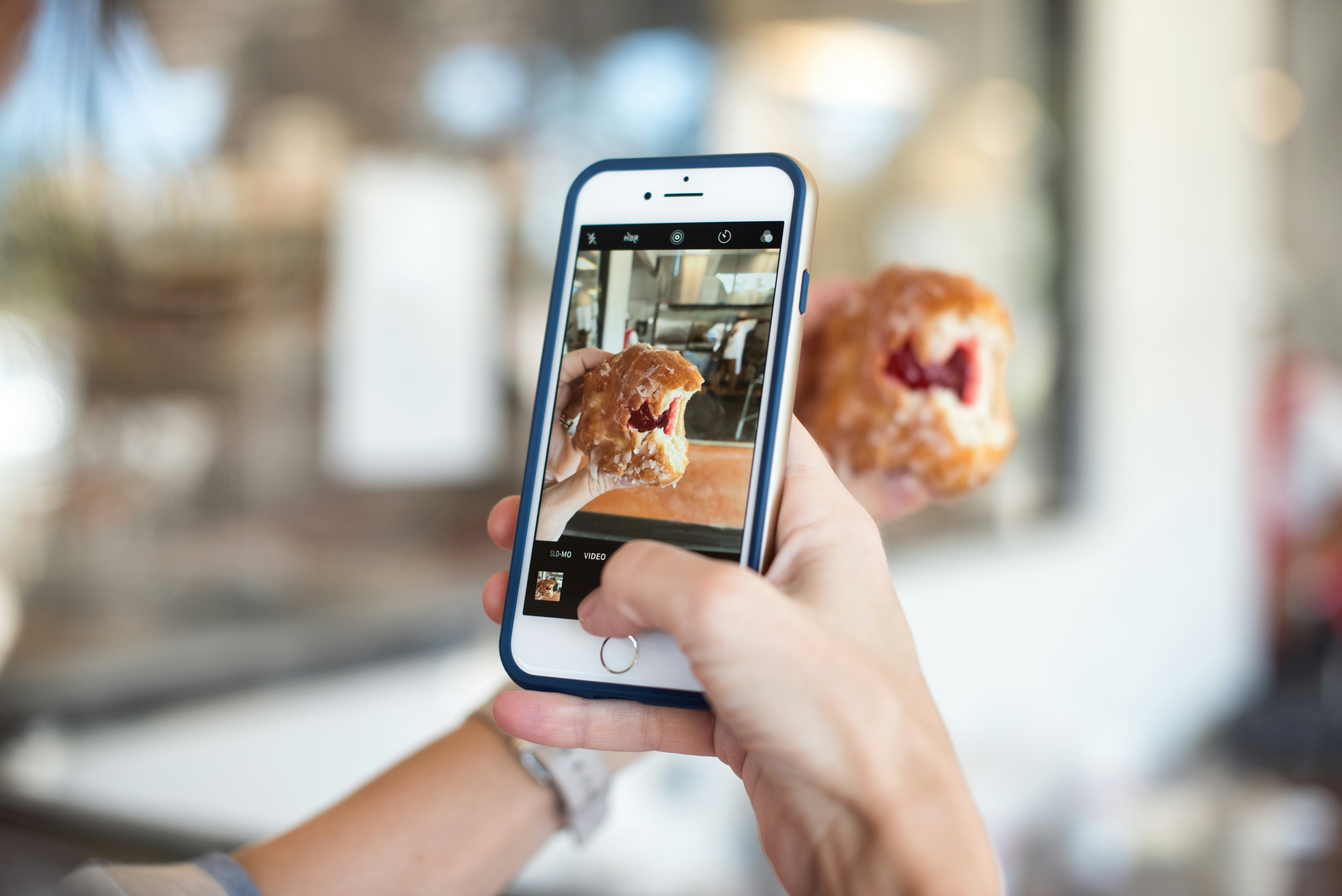
Nobody wakes up craving a $14 smoothie. Then three people post theirs before 9am, looking glowy AF, and suddenly you're standing in line for one too.
Same with the patio furniture you didn't know you needed, until you'd scrolled past somebody else's backyard for the fifth time this week, and started wondering if your concrete slab looked sad.
That's not a discipline problem. Nobody has ever out-willpowered a well-lit Instagram Reel. Your brain is doing exactly what it evolved to do: watching other people for clues about what to do next. It just so happens "other people" now includes 400 strangers on your explore page, plus your neighbor's new SUV.
Our last post covered why budgets fall apart from the inside: decision fatigue, ego depletion, the exhaustion of deciding whether a coffee is "worth it" for the 47th time in a week. This time, we're going outside, to the social and environmental cues nudging your wallet before you've technically made a decision at all.
You're Extremely Easy to Convince. So Is Everyone.
Robert Cialdini calls this social proof: when we're unsure what to do, we look around and copy the crowd. It's why a packed restaurant feels trustworthy and an empty one feels like it might be cursed.
Retailers lean on this constantly. A product with 4,000 reviews just feels safer than one with zero, and that's by design. Research on online shopping shows even a handful of reviews meaningfully increases purchase rates, because someone else already vouched for it and your brain gets to skip the "is this a scam" step.
Social media took the same mechanism and put it in your pocket, running 24/7. Likes, followers, "sold out" tags, they're reviews for an entire life. And the more we compare ourselves socially, researchers have found, the more that pesky FOMO feeling shows up, and the more likely we are to buy something to make it go away.
The Lottery Down the Street
There's a study that'll make you side-eye your whole neighborhood.
Economists tracked lottery winners in small Canadian towns, then looked at what happened to their neighbors (people who won nothing. When someone nearby hit a jackpot and started buying visible stuff, new cars, house renovations, their non-winning neighbors' bankruptcy rates climbed in the years after. Only the visible spending mattered, too. A new couch inside the house didn't move the needle. A new car in the driveway did.
You're not reacting to your neighbor's actual bank account. You have no idea what's in there. You're reacting to the driveway.
The Room Is In On It Too
It’s not just people! It’s rooms! Retail researchers have spent decades on what they call "atmospheric cues": lighting, music, scent, how long a store subtly keeps you wandering. Longer time in a space tends to mean more money spent, and things like music and scent measurably shift mood in ways tied to impulse buying.
Stores are built by people whose job is getting you to stay ten extra minutes and leave with a candle you didn't know you wanted (*cough* Anthropologie). That's not a personal failing. That's the room working as intended.
"I'm just an easily influenced person"
You're not easily influenced, you're correctly influenced, by systems built specifically to influence you. Stores, apps, neighborhoods: your behavior is the whole point of the design. Noticing the trigger doesn't mean you failed to resist it. It means you finally saw the string before it got pulled.
What Actually Helps
You're a social creature, and that's not something to fix. But a few cues are worth pushing back on:
Ask where the want came from. Did you want this an hour ago, or did it show up right after you saw someone else with it? Naming it strips out most of the pull.
Add friction. Even an overnight pause moves a decision from reactive brain to actual brain.
Curate what you're exposed to. Muting an account, walking a different route past a store. That's not avoidance, it's turning down the volume.
Make your own spending boring. Automate savings, track broad categories instead of every line item. Fewer chances for a random cue to sneak something past you.
Fix the Inputs, Not the Person
Surviving a smoothie ad was never about willpower. It's about having fewer expertly-built nudges between you and your bank balance, and a system that doesn't ask you to outthink an entire industry every time you open an app.